
CA Election: Latino Voters Power Decides Everything
October 21, 2025
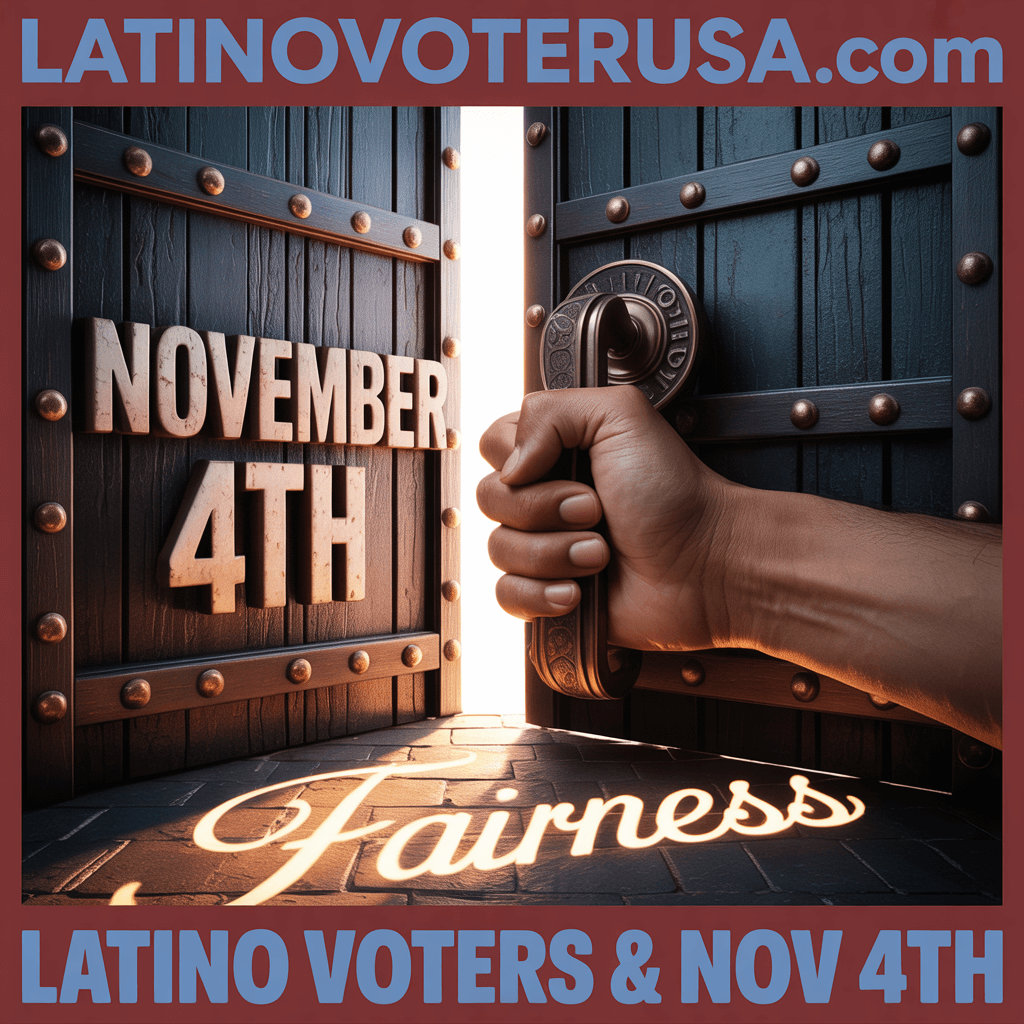
Latino voters decisions about the CA election will determine whether California gets congressional representatives who will actually fight for immigrant families, affordable housing, and healthcare access, or whether we're stuck with another six years of politicians who make promises during campaign season and then do nothing when ICE raids terrorize our neighborhoods and budget cuts slash programs that Latino communities depend on. The special election on November 4th isn't just another ballot measure to ignore – it's about whether Latino voters will use our political power to demand the representation and economic fairness that we've been waiting for while working multiple jobs just to pay rent that keeps going up every year.
Picture this scenario: Carla works two jobs in the Inland Empire, her husband works in a warehouse, and they still can't afford the rent increases that keep pushing them further from their kids' school and her parents who provide childcare. When Rosa hears about Proposition 50 and congressional redistricting, her first thought is "how does this help me pay my bills?" The answer is that the way district lines get drawn determines who represents her community in Congress, which means it determines who fights for federal housing assistance, small business grants, and infrastructure investment that could actually create jobs and make life more affordable for working families instead of just making it harder every year.
The significance of Latino voters in this California election cannot be overstated because we comprise approximately 40% of the state's eligible electorate, which makes us the single most influential voting bloc in this special election cycle. Recent polling shows that 62% of Latino voters plan to cast ballots on or before November 4th, which is a remarkably high participation rate for an off-year election that speaks to how urgent people feel about issues like housing costs that have spiraled beyond reach, healthcare systems that remain inaccessible, and an economy that promises opportunity but delivers exhaustion.
Here's the economic reality behind the political rhetoric: 51% of Latino-led households in California live below what researchers call the "Real Cost Measure," which means they can't actually afford basic necessities in the communities where they live. Many families depend on two or three jobs just to cover rent and groceries, and even then the math barely works. In Sonoma County, one mother shared that without her parents providing childcare, her family's budget would simply collapse. These aren't statistics about distant populations – they're snapshots of your neighbors and coworkers navigating an economic landscape that grows more challenging every year.
Latino voters also represent massive economic strength that politicians should respect: Latino economic output in California has surpassed one trillion dollars, which is larger than the entire economy of Pennsylvania. Latino entrepreneurs, workers, and professionals are driving growth across multiple sectors and building companies that create jobs throughout the state. But this aggregate economic strength masks persistent disparities, because median Latino household wealth stands at just $52,700 compared with $474,800 for White households. This gap shapes everything from homeownership rates to retirement security, and it's a reminder that representation in Congress isn't abstract civics – it's about who will fight for fair wages and equitable investment when those debates unfold in Washington.
The connection between redistricting and real life explains why Proposition 50 matters for Latino families throughout the Inland Empire, Central Valley, and Los Angeles County. These aren't just lines on a map – they're decisions about whose voices carry weight when Congress debates federal housing assistance, climate programs, and infrastructure investment. For communities that have historically been divided through strategic line-drawing, this election represents either an opportunity for unified representation or a continuation of fragmentation that weakens political power.
What this moment demands from CA election Latino voters is participation grounded in everyday reality rather than partisan talking points. When one in two Latino households cannot meet the actual cost of living, choosing not to participate isn't an option. Proposition 50 may not immediately lower rent, but it establishes who will occupy seats at the table when economic policies get debated and decided.
Read Next:
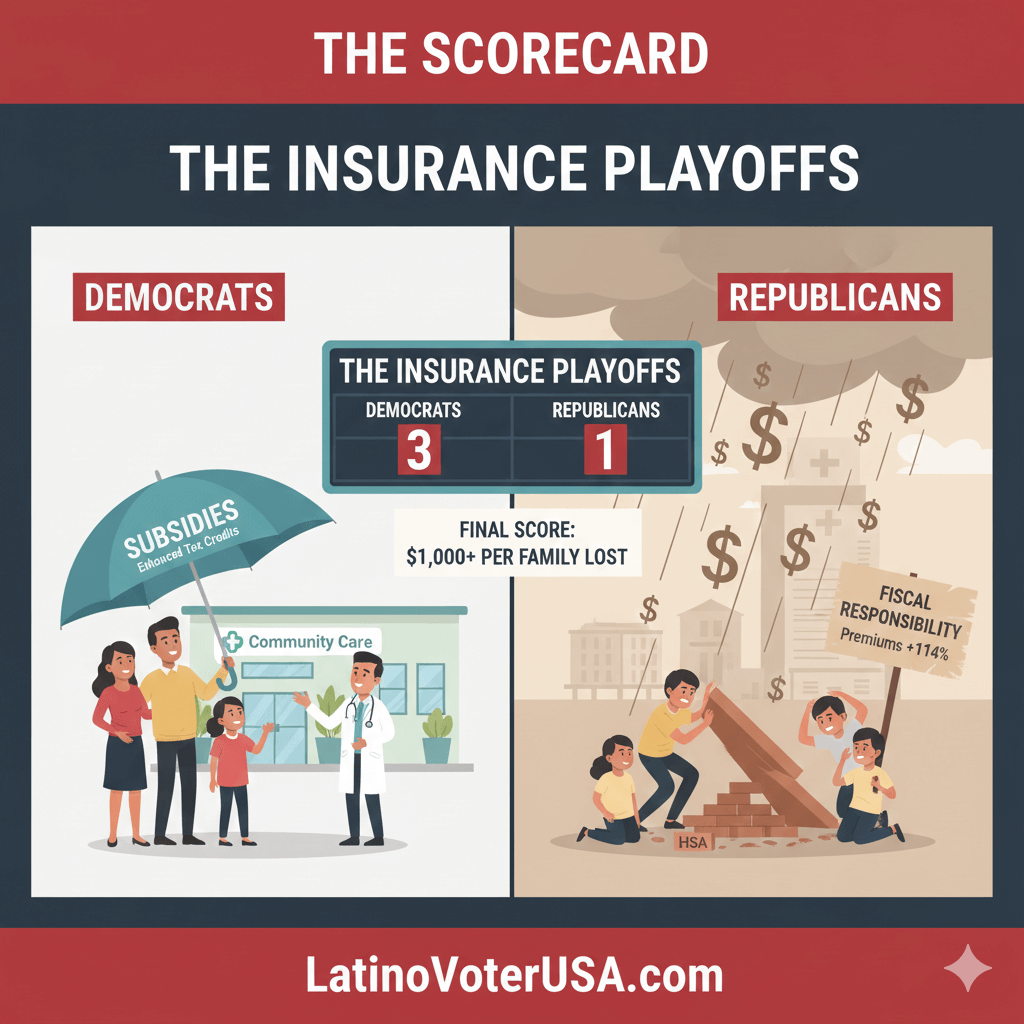
The Scorecard: The Health Insurance Playoffs!
You are not experiencing Deja vu! We are again facing a government shutdown, the main reason for it is the lack of a hea...

Opening the Opportunity Door for the Whole Family
What is the "Opportunity Door"? Imagine our Tía Sofia. She’s the heart of the neighborhood, the o...
Tamale Inflation is the Grinch of 2025
Tamale Inflation hit the kitchen before it ever hit a cable news chyron. Not in some abstract “consumer basket&rdq...